
The Trump administration has launched an investigation into nine US universities over alleged misuse of the J-1 visa programme, with Vice President JD Vance accusing the institutions of hiring foreign researchers to undercut wages for American graduate students and researchers.

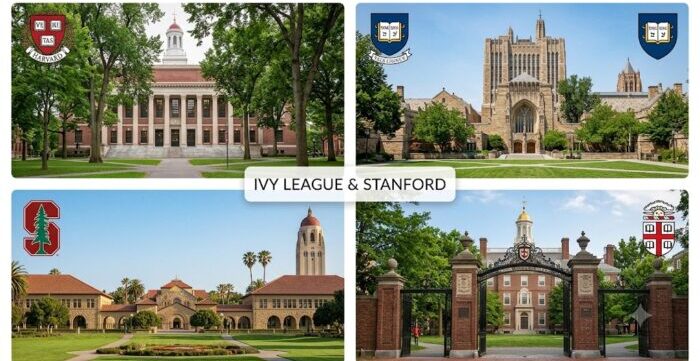
The universities under scrutiny include Harvard University, Yale University, Stanford University, Brown University, the University of Pittsburgh, the University of California, Davis, the California Institute of Technology (Caltech), Arizona State University and the Massachusetts Institute of Technology (MIT).
Speaking at a White House briefing on Thursday, Vance said the institutions warranted investigation over their use of visas that allow international scholars and researchers to work temporarily in the United States.
“They’re using these visas way too much,” Vance said, alleging that the programme was being used to lower labour costs at the expense of American workers.
Subpoenas Issued
Anthony D’Esposito, Inspector General at the US Department of Labor, said subpoenas had already been issued to the universities as part of the investigation.
According to Vance, J-1 visa holders account for approximately 61 per cent of researchers working on federally-funded projects at the nine universities, compared with a claimed national average of 38 per cent. The administration has not publicly provided a detailed explanation of how these figures were calculated.
Investigators are expected to examine potential visa violations, foreign financial relationships and possible foreign influence over federally-funded research, according to statements made at the briefing.
The investigation comes amid a broader effort by the Trump administration to tighten oversight of immigration and employment programmes used by international students, researchers and skilled foreign workers.
The J-1 visa is part of the US Exchange Visitor Program. It enables eligible foreign nationals to participate in approved academic, research, teaching and other exchange activities.
American universities routinely use the programme to host international researchers and postdoctoral fellows. The visa itself is legal, and employing international researchers does not automatically constitute fraud.
The investigation will seek to determine whether the universities have violated applicable rules or used the programme in ways that unlawfully disadvantage American workers.
Future Implications
The enquiry could have implications for international scholars seeking research positions in the United States if it results in tighter visa compliance requirements or changes to university sponsorship practices.
However, the announcement does not itself cancel existing J-1 visas or establish that the universities named by the administration have committed any wrongdoing.
The investigation marks another development in the Trump administration’s broader scrutiny of international student and employment-based immigration programmes, raising questions about how the United States will balance labour-market protections with its reliance on international scientific and academic talent.