
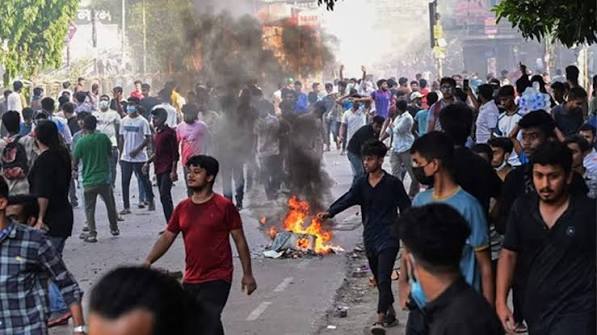

From Europe to Asia and North Africa, education systems are facing unprecedented turmoil as students and teachers take to the streets demanding reforms, better funding, and respect for the teaching profession. What began as isolated demonstrations have snowballed into nationwide crises, with governments struggling to contain unrest, school closures, and mounting pressure for change.

France
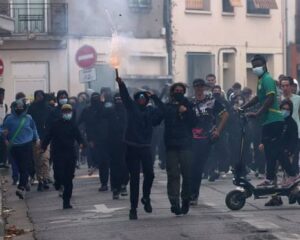 France is grappling with its largest student protests in decades. What began on 21 September at Saint‑Exupéry High School in a Paris suburb has escalated into a national crisis.
Hundreds of schools have shut down, and more than 5,000 people—mostly minors—have been detained. Several students and teachers have been injured, including one in Lens who lost a hand after reportedly picking up a grenade, and another in Tours who lost an eye. Student leader Manès Nadel described the movement as spreading “like wildfire,” leaving the Education Ministry “totally overwhelmed.” The next major test will come Tuesday, when thousands are expected to join nationwide marches.
Belgium
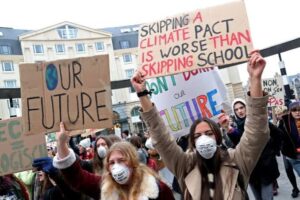 Protests against education reforms continued across Belgium on Monday, with demonstrations in several cities. In Liège, shops closed as a precaution while students marched through central areas, including near Guillemins train station.
Police reported 16 administrative arrests and said they discovered materials that could be used to make Molotov cocktails in some protesters’ bags. Students are opposing budget cuts, tuition fee hikes (from €835 to around €1,194–€1,200), and demanding smaller class sizes, more funding, and improved facilities.
The unrest mirrors the high school blockades and violent protests in neighbouring France, highlighting shared grievances over neglected education systems.
Libya
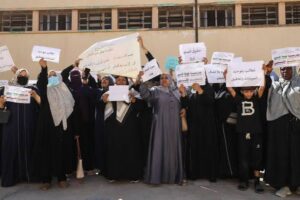 In Libya, teachers have escalated salary protests into an open‑ended nationwide strike, keeping students out of classrooms since the school year began on 13 September. Sit‑ins outside schools and government buildings in Tripoli have grown into a broader campaign.
The teachers’ union cites declining wages, unpaid arrears, poor benefits, and deteriorating school conditions, demanding urgent action to stop the “erosion of workers’ incomes.” Other unions have threatened to join unless the government addresses the cost‑of‑living crisis.
Prime Minister Abdul Hamid Dbeibah of the internationally recognised Government of National Unity has reportedly met Cabinet members to discuss a response.
South Korea
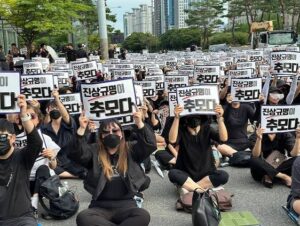 On 9 October, South Korea’s three largest education unions will stage a joint mass rally outside the National Assembly in Seoul, calling for teachers’ rights and reforms to protect public education.
The mobilisation follows the 2023 death of a young teacher, which sparked nationwide demonstrations over bullying, violence, and lack of protection for educators. Despite some reforms, unions say teachers still face criminal investigations under child welfare laws, restrictions on political rights, and excessive pressure in classrooms. The KFTA, KFTU, and KTU, all affiliated with Education International, have appealed for international solidarity to strengthen their movement.