
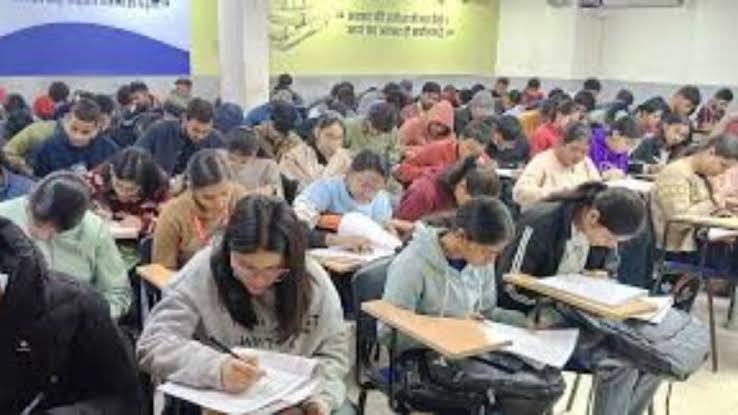
Private Coaching Centres: What Is Bugging Parliamentary Committee On Education

A parliamentary standing committee has raised concerns about the way undergraduate medical, engineering and university entrance tests are designed, warning that they reward coaching‑centre techniques rather than genuine learning.

Faults in Current System
The 31‑member committee on education, chaired by Congress MP Mukul Wasnik, noted that exams such as NEET‑UG, JEE (Main), and CUET often test rapid recall, pattern recognition, and shortcut methods drilled in coaching centres. This has led to the rise of a parallel curriculum, distinct from the NCERT and state board syllabi, undermining school education.
In a report titled “Reforms and Strengthening of National Testing Agency (NTA)”, the panel highlighted that this system fuels socioeconomic inequality. Wealthier families can afford expensive coaching, while students from modest backgrounds are left at a disadvantage.
Key Recommendations
The committee pointed out three areas that needed immediate attention: overhaul of question papers, regulation of coaching centres and a national registry of blacklisted vendors.
It said question papers should be designed to assess conceptual understanding based strictly on the school curriculum, not coaching‑specific techniques.
The committee urged the Education Ministry to establish a regulatory framework covering fee transparency, safety standards, and student mental health.
It also flagged that exam‑related firms blacklisted by some states continue to receive contracts due to the absence of a central database. The panel recommended that the NTA maintain a National Registry of Blacklisted Examination Vendors, listing firms, individuals, reasons for disqualification, and the authority imposing it.
Bigger Picture
The committee stressed that the growth of the coaching industry is a symptom of flaws in the examination system itself. By rewarding rote practice over understanding, exams inadvertently create demand for intensive drilling. Reforming paper design and regulating coaching centres, it argued, are essential steps to restore fairness and genuine learning in India’s education system.