
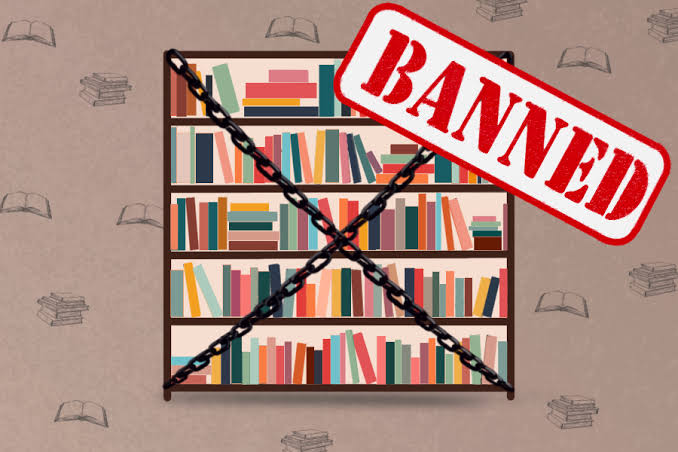

American schools have banned nearly 12,000 books over the past year, as per a new report. According to a study by PEN America, 11,982 books were banned in public schools in the 2025-26 school year. The report also highlighted that 7,370 unique titles were banned. Themes of race, racism, sexuality and gender identity remained the most common reasons why the books were challenged.

According to the organisation’s official website, PEN America stands at the intersection of literature and human rights to protect free expression in the United States and worldwide.
The study also noted that this is the highest total since the free expression organisation began tracking removals five years ago. For the second straight year, Stephen King was the author most likely to have his work withdrawn.
As per the report, titled “Banned in the USA”, many of the bans took place in Florida and Texas, where restrictive laws have been passed and both politicians and conservative activists have pushed for removals. “Both states have become blueprints for educational censorship, where special interest groups, state laws, and politicians have converged to pressure school districts to restrict and remove access to books,” it said.
Another notable trend has been the role of AI in accelerating book bans, as per the study. The report asserted that as districts respond to vague and unclear directives from state departments of education and state legislation, district administrators are increasingly turning to AI to evaluate books for removal.
The organisation found 11,982 cases of bans, affecting 7,370 individual works. Over 4,500 were on the list for the first time, ranging from the 19th century classic “Jane Eyre” to Sui Ishida’s “Tokyo Ghoul” manga series.
“More than 90% of Young Adult titles banned during the 2025-2026 school were fiction, stripping young readers away from the books that help them fall in love with reading,” the study noted.
“School libraries make knowledge and ideas available, ensure books remain available for all regardless of personal or political ideologies, and open gateways to stories that inform, challenge, and reflect the realities of the world back to readers,” the PEN report read.
“Book bans impede the freedom to read, cutting students’ access to a diversity of views, voices, perspectives, and literature they deserve to encounter,” it added.